
The increasing crimes at and around NMU makes students’ accommodations prime crime targets. Theft in student residences has become a norm and this crime contributes to students’ poor academic success. Find summary of this article on chapter four of the main article and other related articles.
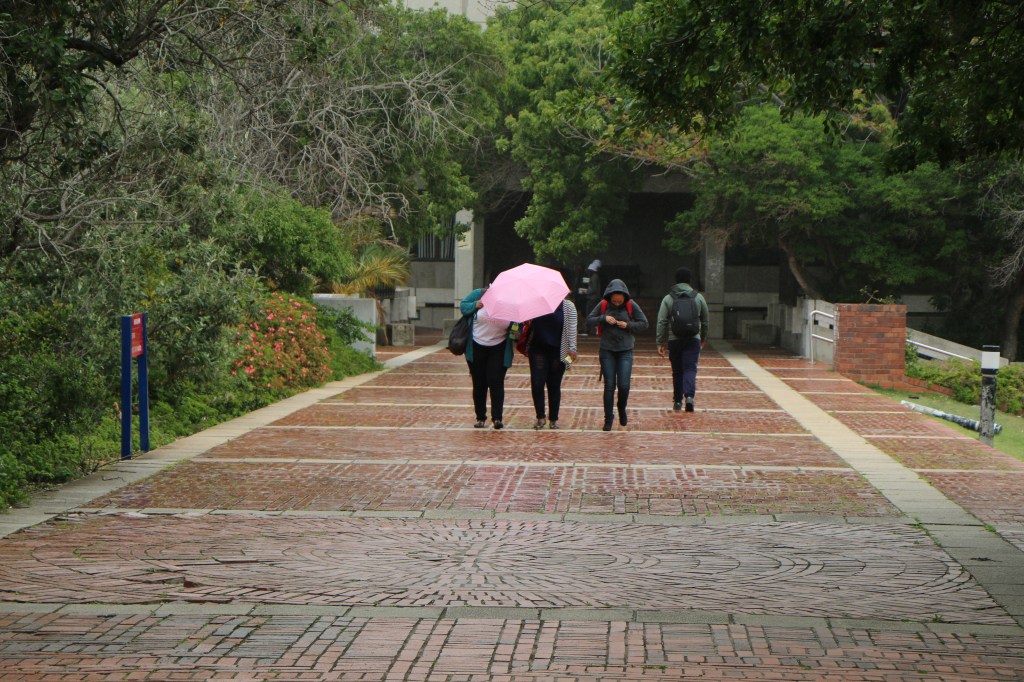
Students of tertiary institutions are concerned with about their safety and security measures around both on and off-campus residences. As a result of vast different factors, ranging from the subtle corrupt relationships amongst students and the residence security personnel, who are responsible for all student safety. Many students have established what they call ‘connections’ with their security guards. This ‘connection allows them to freely allows them to walk into their residences with bags packed with alcoholic beverages. Many students lay complaints that students who drink within the premises of the residences can and do commit a number of offenses including theft. This connection, with the guards, is regarded by other students to be a major contributing factor in student amongst student theft in residences both on and off campus and has proven to be an adverse to students who are victims of theft. It is also disadvantaging to the students who are not involved in this mischievous action, it compromises their safety and leaves them vulnerable.
Although theft is an inevitable issue that is evidently ubiquitous, in this article we will explore the various issues that fuel theft amongst students in university institutions, explore the measures in place to counteract theft, look into how victims have managed to cope with the issue of theft and explore how the security and safety department of the institutions goes about into finding justice for those who have been victims, because students report that this issue escalate to levels where students face outside intruders who can have the intention to cause harm when they break into these houses.
Although it typically ranges from minor petty thefts amongst students, it has been significantly traumatizing when outsiders invade student residences and commit thefts with the intent to cause aggravated harm or injuries. The amount of thefts committed in off-campus residences by outsiders is high compared to that of on-campus residences. This is because of the indifference in security measures applied both on and off-campus residences.
To get an expert insight on this matter, we had a talk with Mr. Simphiwe Nkosa who is Head of Department of security and safety Nelson Mandela University and find out the reason for these indifferences. He said to us “If incidents happen off-campus, we have no jurisdiction. But on the off-campus residences still phone protection services when an incident happens. But as an off-campus establishment they need to have their own security. Their own security needs to deal with the issue there. Their own security fails to deal with issues there and rather throws those at us. Amongst the accreditation criteria of the institutions is that they have their own security”.
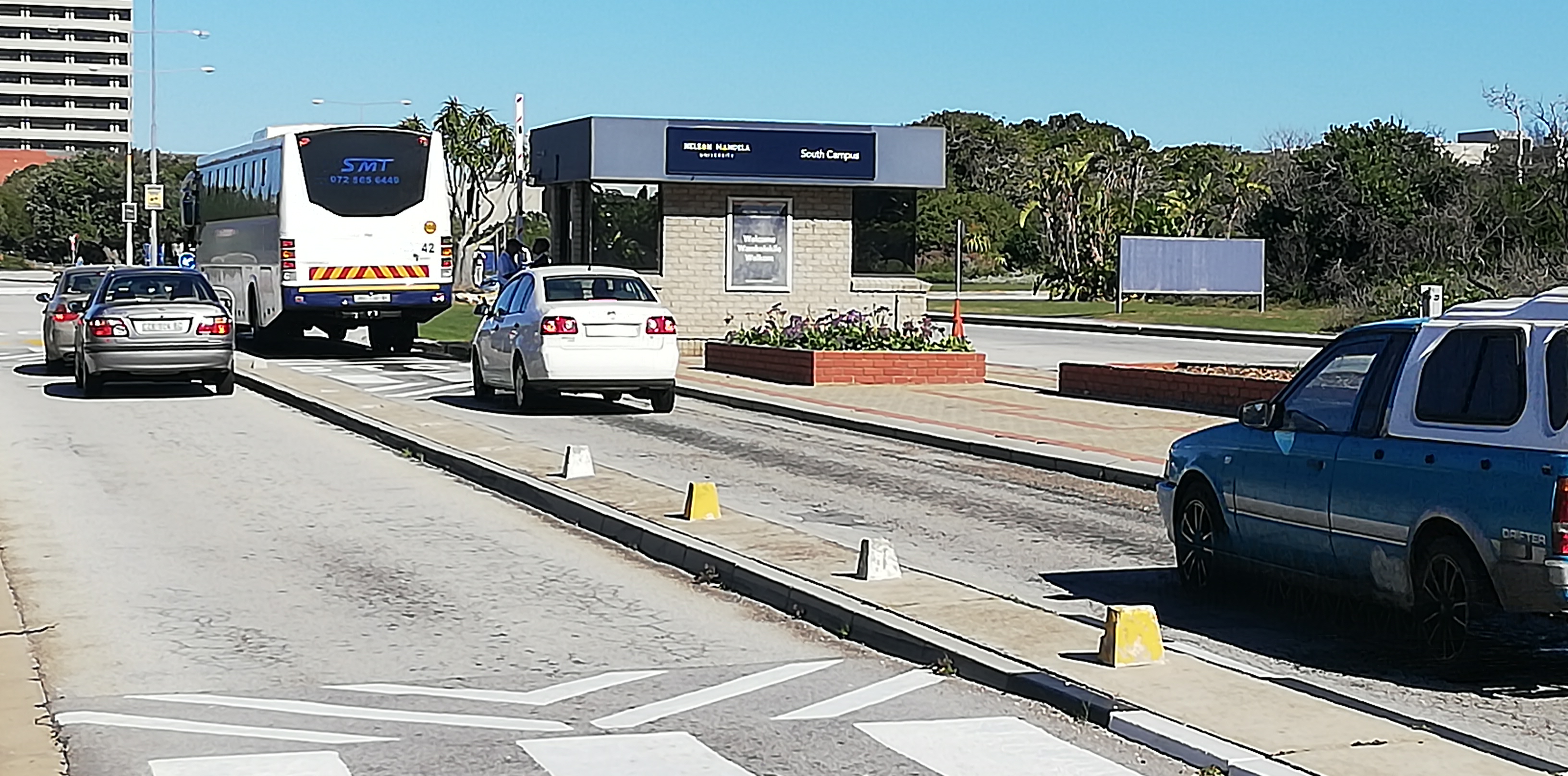
Evidently, there isn’t much that the security and safety department of the institution can do for student’s off-campus, it is solely on the responsibility of the security provided by the residences. It kind of raises concerns, because one would expect students to be given the same care, as all these are students of the same institution. The institution is responsible for ensuring that every student is assured safety, whether residing on or off-campus.
The issue of theft in residences is a complex matter. It can not only be viewed from one side, as there are a number of reasons that lead to it. But nonetheless, its outcome is detrimental to the victim. Amongst students, finding a cellphone, a book, a tablet, a USB flash drive or any other belonging that is not their property it is viewed as luck, whereas to the other person it can be a great loss. According to FindLaw’s team of attorney writers and editors, “the term theft is used widely to refer to crimes involving the taking of a person’s property without their permission. But theft has a very broad legal meaning which may encompass more than one category”. So as lightly and not too serious as it may seem, taking another person’s belonging is theft especially in the occasion that the owner does report it missing or miss placed. Very few students do take it upon themselves to report or take to ‘lost-and-found’.
Many off-campus residences have resorted in the installation of CCTV cameras to help aid the identification of the culprit in the event that an act of theft has been reported. But often times, it has proved to be futile, either because the cameras are of low quality or cannot clearly show the identification of the culprit. Sometimes the locations on which the cameras are installed do not have a full view of that particular area, living a huge space unmonitored.
According to a student of Nelson Mandela University who requested to remain anonymous who has been a victim of theft within the vicinity of his off-campus residence “I went out of my room to the bathroom for a few minutes. When I got back, I couldn’t find my phone. I had left it charging. I immediately went to report it to the securities. They couldn’t immediately look into the footage, because they had to first report it to the residence manager who had access to the CCTV footage and was not around the building at that particular moment, because the incident happened in the wee hours of the morning on a weekend. Fortunately, the manager was called and came to the building immediately and looked into the CCTV footage. But as the images weren’t clear, a positive identification couldn’t be made, and the suspected guy denied any involvement and the search of his room was to no benefit. The matter had to be dismissed because the was no clear evidence. The matter was never reported to the institution”. Other students attested that they have been in similar ordeals, but their matters have never been resolved. Because of the low quality of the cameras or how prior incidents have never been resolved, they just saw it futile to even report their situations. Many of these students say that it is better of on-campus residences because they believe that the institution toughens security there more than off-campus houses.
To get certainty on how students feel around campus and off campus, we did a survey around campus and asked 56 students how they felt about their safety. Of all the 56 students interviewed they all responded that they felt safe on campus and none said they feel safe off campus. About 16 said they had been victims of crimes, but not within residences, only on their way from the institution to their designated residences. We then asked them if they had reported these matters to the police or the institution’s safety services, only about 5 reported the matter. Those who did not report their incidents said that they knew their cases would not get anywhere so they decided to keep quiet.
Another student from a different student house, who asked not to be mentioned said she reported her incident. She says she left he off-campus residence in the morning and went to class. She came and found her laptop, speakers and a few clothing items missing. She immediately went to report the issue to her caretaker who immediately called the police. The police did arrive and inspected her room, but it was decided that nothing could be done because the student and the caretaker had searched the room and interfered with any evidence that could have been extracted. Also, a window was found opened and suspected to be the entrance the robber might have used as a point of entrance and departure. There is no camera facing the wall from which the perpetrator is believed to have come from. The student says she didn’t feel the need to report to the institution because there was no evidence as the police had stated, and she just thought it would be time consuming and useless.
We had a talk with a third-party company that does patrol around a residence off-campus and we asked him a couple of questions concerning student safety around off-campus. He said that when an incident arises, he reports it to the SAPS. We asked how do they make sure that a case is followed up, because many students said they don’t report many issues because they usually disappear into thin air without any report backs, he said to us that this is the students responsibility to follow up on their reported matters in order to be aware of the progress of their case.
The issue of theft is evidently a complex matter. It is clear that a lot is being done to try and counteract, but it is clear as well that a lot still needs to be done. A lot of students do not attest to feeling fully safe around residences of the institution and those who have been victims of crime consider it futile and time wasting to even take it to the police or campus security. There’s clear slow movement from off-campus residences as well from not thoroughly communicating with the institution on all matters that occur off-campus, so the institution can be aware of the problem and perhaps implement strategies to strengthen safety for students around all residences.
Other related articles:
Main article: The Increasing Crimes at and Around Nelson Mandela University
Chapter 1: Problematic alcohol consumption and smuggling at NMU student accommodations
Chapter 2: Poor safety and security threatens NMU students
Chapter 3: How increasing break-ins influence student’s academic failure
 Under The Radar